UTILITIES
Concrete Canvas® (CC) and CC Hydro™ (CCH) are increasingly being used by utilities in the Power, Water, Gas, Landfill and Hydroelectric industries both for the installation of new works and remediation of existing infrastructure.

Concrete Canvas® (CC) and CC Hydro™ (CCH) are increasingly being used by utilities in the Power, Water, Gas, Landfill and Hydroelectric industries both for the installation of new works and remediation of existing infrastructure.

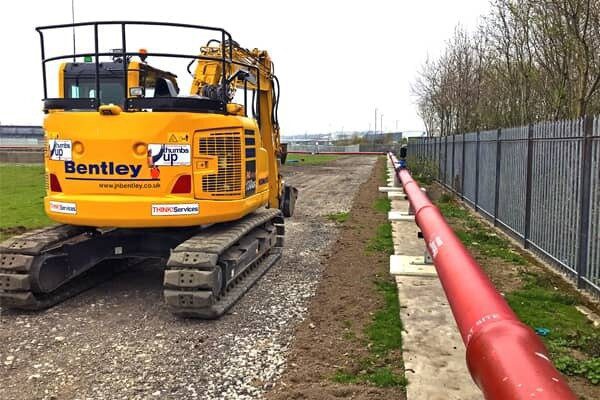
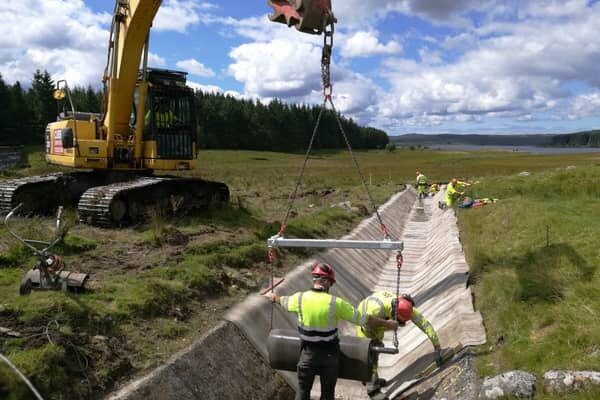
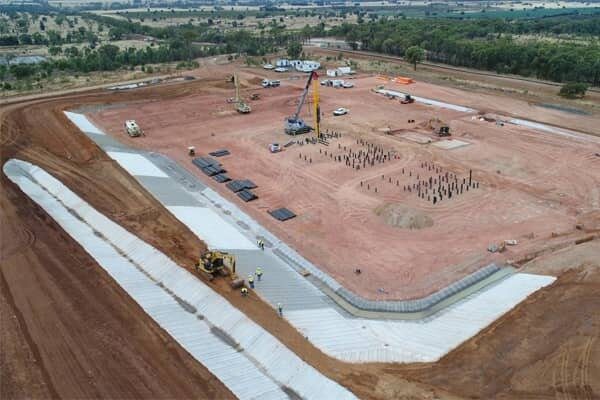
CC and CCH are used within the Utilities sector for a range of applications including hydroelectric channels and slope protection on sites with sensitive infrastructure, such as power stations. CC produces no back spray, debris or rebound, eliminating the need for site closures or costly clean-up operations post-installation.
[slide-anything id=’8741′]
“The product worked well and is especially worth considering for temporary works applications in hard to reach locations as an alternative to in-situ concrete.”
“Our main priority is to ensure the safe and consistent transport of gas through our assets and adequately protect them from third party interference. Concrete Canvas provides three layers of protective measures: it prevents the need for maintenance, it provides good visual detail for the aerial surveillance teams and third parties, and it physically protects the pipeline. We are extremely pleased with the results and speed of installation and following further trials will look to utilise this material for other applications across the Gas Distribution Networks.”
“This product was the perfect solution for this problem as it allowed us stabilise the flood bank and give added protection against future high tides, with the added bonus of being quick and easy to install.”
“It was our first experience of installing Concrete Canvas but we were impressed with the ease and speed of installation, particularly given the challenging conditions on a remote site. In particular, the ability to install in wet weather greatly reduced down time that we would have normally experienced with traditional methods.”